
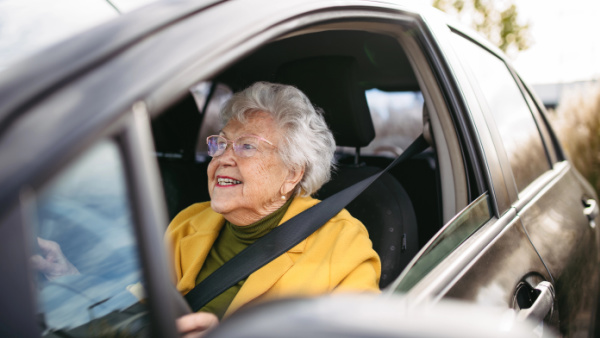
Worried about an aging loved one driving? Learn the warning signs it may no longer be safe for seniors to drive and what families can do next.
Table of Contents
ToggleIs It Time to Stop Driving? Warning Signs It May No Longer Be Safe for Seniors
For many seniors, driving represents freedom.
It means independence. Control. The ability to go where they want, when they want, without relying on anyone else.
That is why conversations about driving can be some of the most emotional and difficult discussions families have.
No one wants to “take the keys away.”
But there comes a point when safety has to come first.
An aging loved one may not recognize that their abilities have changed. Or they may know and be too afraid to admit it.
Slower reflexes. Vision problems. Confusion. Getting lost. Medication side effects. Cognitive decline.
Sometimes the signs are subtle.
Other times, the warning signs are impossible to ignore.
At Your Key To Senior Living Options, we often speak with families who are struggling with this exact issue.
If you are beginning to question whether it is still safe for your loved one to drive, here are some warning signs to watch for.

Physical Warning Signs That Driving May No Longer Be Safe
Driving requires fast reaction times, strength, coordination, and good vision.
As we age, these abilities can decline.
Watch for signs such as:
Difficulty turning the head to check blind spots
Trouble pressing the brake or gas pedal quickly
Slow reaction times
Difficulty gripping the steering wheel
Confusion between pedals
Arthritis or pain limiting movement
Hearing loss affects awareness of sirens or horns
Physical limitations can make even short trips dangerous.
Vision Problems Can Impact Driving Safety
Vision changes are one of the biggest concerns.
Your loved one may struggle with:
Night driving
Glare from headlights
Reading road signs
Seeing pedestrians or cyclists
Judging distance
Peripheral vision loss
Conditions such as cataracts, glaucoma, or macular degeneration can significantly increase accident risk.
Memory Loss and Cognitive Decline
Cognitive decline can make driving especially dangerous.
Warning signs may include:
Getting lost in familiar places
Missing turns or exits
Running red lights or stop signs
Difficulty making decisions quickly
Confusion at intersections
Forgetting where they are going
Delayed responses to traffic changes
Dementia and driving do not mix well.
Even early memory loss can affect judgment and reaction time.
Vehicle Warning Signs Families Often Miss
Sometimes the car tells the story before your loved one does.
Look for:
New dents or scratches
Damage to mirrors or bumpers
Tickets or warnings
Increased “close calls”
Running over curbs
Difficulty parking
These are often signs that driving ability is declining.
Medication Side Effects and Medical Conditions
Many medications can affect driving.
These include medications that cause:
Drowsiness
Dizziness
Blurred vision
Slower reaction times
Confusion
Medical conditions such as:
Stroke
Parkinson’s disease
Diabetes
Seizures
Heart conditions
…can also affect driving safety.
Talk with doctors about whether driving is still appropriate.
Emotional Signs and Defensive Behavior
Sometimes seniors know they are struggling and become defensive when questioned.
Watch for:
Anxiety while driving
Avoiding highways or night driving
Anger when the topic comes up
Making excuses for accidents or damage
Refusing to discuss concerns
The emotional side of this issue is real.
Stopping driving can feel like losing independence.
That fear can cause resistance.
How to Have the Conversation
This is rarely easy.
A few tips:
Choose a calm moment.
Lead with concern, not accusation.
Use specific examples.
Involve doctors if needed.
Offer alternatives.
Try saying:
I’m worried about your safety.
I noticed a few things lately and wanted to talk.
We want to help you stay independent in other ways.
The goal is safety, not punishment.
Transportation Alternatives for Seniors
One reason seniors resist giving up driving is fear of being trapped.
Help them see options.
Alternatives may include:
Family rides
Friends or neighbors
Ride-sharing apps
Community transportation
Shuttle services in senior communities
Delivery services for groceries and prescriptions
If transportation is no longer manageable, it may be time to consider more support.
When Driving Concerns Are Part of a Bigger Problem
Sometimes, unsafe driving is only one sign.
Families may also notice:
Memory issues
Missed medications
Falls
Isolation
Poor hygiene
Difficulty managing daily life
At that point, the issue may be bigger than driving.
It may be time to explore home care, assisted living, or memory care.
Why Families in The Villages Trust Your Key To Senior Living Options
At Your Key To Senior Living Options, we help families navigate difficult decisions every day.
Whether you are concerned about driving, safety at home, or the need for more support, we can help guide you through your options.
We know the resources and communities in and around The Villages and can help families make informed choices.
Start the Conversation Before a Crisis Happens
The best time to address unsafe driving is before an accident happens.
If you are seeing warning signs, trust your instincts.
And if those signs are part of a larger concern about safety or independence, we are here to help.
Contact Your Key To Senior Living Options today to explore safer options for your loved one.

MAUREEN CAMPAIOLA
I’m the VP for Operations for Your Key To Senior Living Options, and an entrepreneur, frustrated TikToker, skincare and makeup lover, and coffee fanatic. I live in a multi-generational household with my grown daughter Carrie, son-in-law Paul and grandkids Lucas, Madelyn, and Aubrey. And just like you, I’ve been a caregiver. I share my knowledge and tips to help seniors and families as they navigate the complicated process of senior living options.