
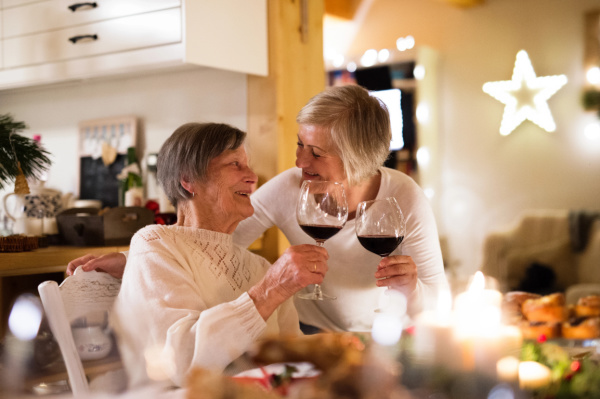
Discover how gratitude can improve health, happiness, and emotional well-being for seniors and caregivers. Learn simple ways to practice gratitude this holiday season and why thankfulness is a true gift at any age.
The Power of Gratitude at Every Age
As the holidays approach, conversations about gratitude often surface, but thankfulness is more than a seasonal feeling. For older adults and caregivers, gratitude can be a daily practice that enhances health, strengthens relationships, and brings deeper joy to everyday life.
At Your Key to Senior Living Options, we see this firsthand. Families who embrace gratitude, even in challenging circumstances, often handle transitions with more peace and resilience. Gratitude does not erase hardship, but it changes how we experience it.

How Gratitude Supports Health and Longevity
Research shows that older adults who regularly practice gratitude enjoy measurable health benefits, including:
-
Improved sleep and lower blood pressure
-
Stronger immune systems
-
Reduced symptoms of depression and anxiety
-
Greater resilience after loss or illness
-
Increased sense of purpose and satisfaction
Gratitude literally changes the chemistry of the brain. Studies from Harvard and UC Berkeley have found that consistent gratitude practice activates brain regions associated with pleasure and bonding. It increases dopamine and serotonin levels, the same chemicals that boost mood and promote relaxation.
For older adults, this can translate into better mental clarity, improved emotional stability, and even decreased inflammation. In other words, gratitude is not just a mindset; it is a health habit.
For caregivers, gratitude provides balance and relief. It helps shift focus from what feels heavy to what is still working. Instead of focusing only on the demands of caregiving, gratitude creates space for moments of joy, laughter, and connection.
The Science of Gratitude and the Aging Brain
The aging brain is remarkably adaptable. Neuroscientists call this neuroplasticity, the ability to form new connections and rewire itself throughout life. Gratitude encourages this process by training the mind to look for positive experiences rather than focusing solely on decline or loss.
When a senior reflects on what went well each day, their brain records that moment as meaningful. Over time, these positive memories build a stronger emotional foundation that supports optimism and resilience.
Aging well is not about ignoring the complex parts; it is about giving equal weight to the good that remains. Gratitude teaches the brain to notice joy, and that simple shift can profoundly affect how a person experiences aging.

Simple Ways to Practice Gratitude This Holiday Season
You do not need a complicated routine to feel more grateful. Even a few intentional moments each day can have lasting benefits.
1. Keep a gratitude journal
Each evening, write down three things you are thankful for. They can be small moments like a friendly wave from a neighbor, a phone call from a grandchild, or the smell of coffee in the morning. Over time, this creates a record of joy that is especially comforting during difficult days.
2. Express appreciation out loud
Say thank you to the people who make your life easier, whether that is a caregiver, nurse, neighbor, or family member. Expressing gratitude strengthens bonds and lifts spirits for everyone involved.
3. Reflect on what has gone right
Many older adults focus on what they have lost. Try shifting the lens toward what remains, such as independence, good memories, or the ability to share wisdom with others.
4. Create a gratitude ritual
Light a candle at dinner and invite everyone to share one thing they are thankful for. It is a simple way to bring connection and warmth to the table.
5. Write a gratitude letter
Take time to write a note to someone who has impacted your life. This practice is powerful for both the writer and the receiver, and it can be a beautiful holiday tradition.
Gratitude in Action: Real Stories from Families
In our work with families, gratitude often becomes the bridge between fear and acceptance.
One family we helped had spent months agonizing over moving their mother into assisted living. She resisted every suggestion until one afternoon, her daughter asked her to list three things she still enjoyed each day. That small shift changed everything. They began focusing on what brought her joy: fresh flowers, crossword puzzles, and Sunday visits. When she moved, she decorated her new space with those same comforts, and within weeks, she was thriving.
Another story involves a husband caring for his wife with memory loss. He was exhausted, juggling her needs and his own health issues. Together, we created a small gratitude plan. Each morning, he listed one thing she could still do independently. Within a month, he said he felt calmer and more hopeful. Gratitude had not changed her diagnosis, but it changed his outlook and restored patience to his caregiving.
These moments remind us that gratitude is not about perfection. It is about finding peace in the middle of the process.
The Caregiver’s Gratitude Challenge
For family caregivers, the holidays can bring more stress than sparkle. Balancing care responsibilities, family expectations, and seasonal commitments often leaves little room for rest. Gratitude can become a quiet source of strength.
Start by acknowledging your own effort. Be thankful for your persistence, patience, and compassion. Gratitude is not about pretending everything is easy. It is about recognizing that you are doing something profoundly meaningful.
You can also invite gratitude into your care routine. Thank your loved one for small gestures, like sharing a smile or cooperating with a task. Gratitude softens tension and opens the door for connection, even on hard days.
Many caregivers find it helpful to write down one thing they are grateful for each night before bed. Over time, this small ritual helps shift energy from exhaustion to appreciation and can even improve sleep.
Building a Lifestyle of Gratitude in Senior Living Communities
Gratitude flourishes in community. In many senior living settings, staff and residents alike are finding creative ways to make gratitude a shared experience.
Some communities display a “gratitude wall” where residents post daily notes of appreciation. Others encourage residents to keep gratitude journals or share positive reflections during group activities. Mealtime blessings, appreciation circles, and simple thank-you notes to staff members all create ripples of kindness.
At Your Key to Senior Living Options, we look for communities that nurture this spirit of connection. We know that gratitude improves quality of life not just for residents but for entire teams. When people feel seen and valued, they thrive.
A Community Built on Gratitude
Every day, our advisors witness moments of gratitude that inspire us. Families find peace of mind after months of uncertainty. Seniors rediscover purpose in new surroundings. Caregivers breathe easier knowing they are not alone.
Gratitude reminds us that senior living is not about buildings or floor plans. It is about people, connection, and purpose. It is about finding joy in the present moment and hope in the future.
Our team feels privileged to walk beside families through these decisions. Every conversation and every placement teaches us something new about love, endurance, and grace.
Gratitude and the Art of Aging Well
Aging is often described as a process of letting go, but gratitude reframes it as a process of becoming. It encourages curiosity and appreciation for what still lies ahead. Seniors who cultivate gratitude report feeling more content and socially connected, even when facing health challenges.
Gratitude also keeps the mind active. Reflecting on life experiences, sharing stories, and expressing thanks all engage memory and cognitive processing. These simple acts can improve mood and even slow cognitive decline.
To age well is to notice the beauty in ordinary moments. Gratitude helps us do exactly that.
Closing Reflection
The holidays are a natural time to pause and reflect, but gratitude need not end when the decorations come down. It can become a lifelong practice that keeps your heart open and your spirit strong.
Whether you are a senior enjoying a slower pace or a caregiver managing daily responsibilities, remember this: gratitude does not change what is on your plate, but it changes how you carry it.
Take a deep breath, look around, and notice the good that is already here. Gratitude truly is the gift that keeps giving.
n go unnoticed. Gratitude does not mean denying frustration; it means recognizing that you are doing something profoundly meaningful.
Small acts of appreciation can also change the caregiving dynamic. Thank the person you care for, even for something simple. Gratitude softens stress and builds trust, helping both of you feel more connected.
A Community Built on Gratitude
At Your Key to Senior Living Options, we see gratitude in action every day. Families find peace of mind, and seniors rediscover joy after a move. Gratitude reminds us that the heart of senior living is not about buildings or floor plans. It is about people, connection, and purpose.
Our advisors are grateful to be able to do this work. Every family we help teaches us something new about resilience, love, and faith in the future.
Closing Reflection
The holidays are a natural time to pause and reflect, but gratitude need not end when the decorations come down. It can be a lifelong habit that keeps your heart open and your spirit strong.
Whether you are a senior enjoying a slower pace or a caregiver juggling endless tasks, remember this: gratitude does not change what is on your plate; it changes how you carry it.
Take a deep breath, look around, and notice the good that is already here. Gratitude truly is the gift that keeps giving.
OTHER RELATED CONTENT
BEYOND MEDICINE: HOW SOCIAL CONNECTIONS SHAPE SENIOR HEALTH
THE LINK BETWEEN LONELINESS AND COGNITIVE DECLINE
SIGNS TO WATCH WHEN VISITING ELDERLY LOVED ONES THIS HOLIDAY SEASON

MAUREEN CAMPAIOLA
I’m the VP for Operations for Your Key To Senior Living Options, and an entrepreneur, frustrated TikToker, skincare and makeup lover, and coffee fanatic. I live in a multi-generational household with my grown daughter Carrie, son-in-law Paul and grandkids Lucas, Madelyn, and Aubrey. And just like you, I’ve been a caregiver. I share my knowledge and tips to help seniors and families as they navigate the complicated process of senior living options.