
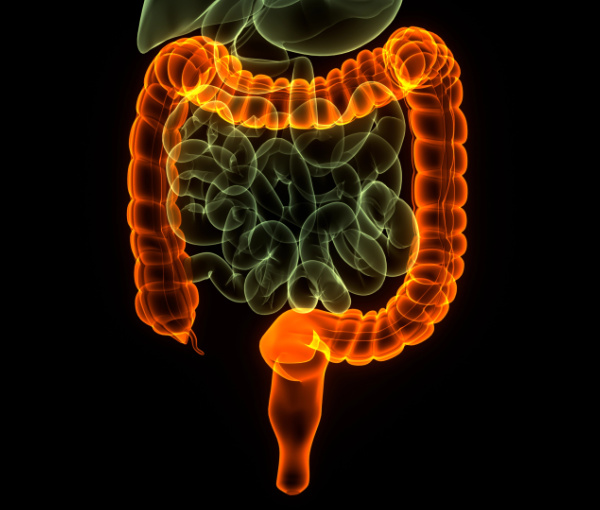
Research increasingly links Parkinson’s disease to gut health. Here’s what Dr. Will Bulsiewicz explains about the microbiome, inflammation, and what the science truly supports.
Parkinson’s Disease & the Gut: What the Science Really Supports

The idea that Parkinson’s disease might involve the gut is no longer fringe science. It has become one of the most actively studied areas in neurology.
In a recent episode of Diary of a CEO, Dr. Will Bulsiewicz, a board-certified gastroenterologist and leading microbiome researcher, spent significant time explaining how gut health influences inflammation, immunity, and brain function. While the conversation was not specific to Parkinson’s alone, many of the mechanisms he describes align closely with what Parkinson’s researchers have been observing for years.
This is where things get interesting and where clarity matters.
Parkinson’s Is Not Just a Brain Disease
One of the most important shifts in Parkinson’s research is the understanding that it is a whole-body neurological disease, not just a disorder of movement.
Long before tremors, stiffness, or balance problems appear, many people experience non-motor symptoms such as constipation, bloating, reflux, and slowed digestion. These symptoms can show up years or even decades before a formal diagnosis.
Researchers have repeatedly identified abnormal deposits of alpha-synuclein, the protein associated with Parkinson’s, in the enteric nervous system, the network of nerves embedded in the gut. This supports the idea that Parkinson’s pathology may involve the gastrointestinal system early in the disease process.
Dr. Bulsiewicz frequently emphasizes that the gut is home to the largest immune organ in the body and a vast neural network that communicates directly with the brain. That framework fits squarely with what neurologists are seeing in Parkinson’s.
The Gut–Brain Axis and Inflammation
A central theme in Dr. Bulsiewicz’s work is chronic inflammation and how the microbiome helps regulate it.
In Parkinson’s disease, inflammation is increasingly recognized as a contributor to neuronal stress and degeneration. Several studies show that people with Parkinson’s have altered gut microbiota compared to controls, often with reduced diversity and shifts in bacteria involved in producing short-chain fatty acids, compounds known to support gut barrier integrity and immune balance.
When the gut barrier becomes compromised, a phenomenon often referred to as increased intestinal permeability, inflammatory signals can increase system-wide. This is not speculation. It is a well-documented biological process.
What is still under investigation is whether these gut changes are a cause, a consequence, or part of a feedback loop in Parkinson’s. Most researchers believe the answer is some combination of all three.
The Vagus Nerve Connection
Another area where Dr. Bulsiewicz’s explanations align with Parkinson’s research is the vagus nerve, the major communication pathway between the gut and the brain.
Large population studies examining people who underwent full truncal vagotomy* decades ago show a reduced risk of developing Parkinson’s later in life. This does not prove Parkinson’s starts in the gut for everyone, but it strongly suggests that in some individuals, disease processes may travel along this nerve.
This reinforces a key point. Parkinson’s is not one disease with one origin. It is likely a spectrum of subtypes with different dominant pathways.
*Full truncal vagotomy is a surgical procedure that involves cutting the vagus nerve at the gastroesophageal junction to reduce gastric acid secretion, primarily used to treat severe peptic ulcer disease.
What This Does Not Mean
This is where responsible science matters.
Neither Dr. Bulsiewicz nor the Parkinson’s research community claims that fixing the gut cures Parkinson’s. There is no evidence that diet, probiotics, or microbiome interventions alone can reverse the disease.
Clinical trials exploring gut-focused therapies, including probiotics and fecal microbiota transplant, have produced mixed and inconsistent results so far. Some patients experience improvements in constipation or non-motor symptoms. Disease progression, however, has not been reliably altered.
Any article that claims otherwise is overselling the data.
What Families Can Do Right Now
While the science continues to evolve, there are practical, low-risk steps that align with both Parkinson’s research and Dr. Bulsiewicz’s guidance.
Take GI symptoms seriously
Constipation in Parkinson’s is not minor. It affects medication absorption, sleep, mood, cognition, and quality of life. Addressing it can dramatically improve daily function.
Focus on dietary patterns, not supplements
Dr. Bulsiewicz consistently emphasizes fiber diversity from whole plant foods rather than pills and powders. This aligns with research showing that microbiome diversity, not isolated supplements, is associated with better gut resilience.
Be cautious of miracle claims
Anything promising to reset the microbiome or cure Parkinson’s through gut manipulation alone should raise red flags. The science does not support that leap.
Plan beyond symptoms
Even with promising research, families still need to plan for progression. Medication management, safety, caregiver support, and advance planning remain essential.
Hope without preparation creates a crisis later.
The Bigger Takeaway
The connection between Parkinson’s disease and the gut is real, scientifically supported, and worthy of attention. Dr. Will Bulsiewicz’s work helps explain why the gut matters without turning it into hype.
What this research gives families is not a cure, but agency. The ability to reduce suffering, improve daily function, and make informed decisions while the science continues to move forward.
Parkinson’s may not be reversible today. But understanding the gut–brain connection helps us treat the person more fully, not just the diagnosis.
OTHER RELATED CONTENT
UNDERSTANDING THE STAGES OF PARKINSON’S DISEASE
THE SUBTLE SIGNS OF PARKINSON’S PROGRESSION FAMILIES OFTEN MISS

MAUREEN CAMPAIOLA
I’m the VP for Operations for Your Key To Senior Living Options, and an entrepreneur, frustrated TikToker, skincare and makeup lover, and coffee fanatic. I live in a multi-generational household with my grown daughter Carrie, son-in-law Paul and grandkids Lucas, Madelyn, and Aubrey. And just like you, I’ve been a caregiver. I share my knowledge and tips to help seniors and families as they navigate the complicated process of senior living options.